



IDENTIFY OPPORTUNITIES
The opportunity recognition process typically involves several stages we go through when identifying and evaluating potential opportunities. These stages can vary in complexity and may overlap, but they generally include the following five key phases:
Preparation and Anticipation
- In this initial stage we prepare to understand your mindset and gather information accordingly.
- Keep you informed about your industry, market trends, and emerging technologies.
- We help you develop a mind-set that actively seeks opportunities and remains open to change.
- We anticipate potential shifts or disruptions in your industry or market.


Identification of Signals
- In this stage, we actively search for signals or indicators of potential opportunities.
- Signals can be market trends, customer feedback, changes in regulations, emerging technologies, or gaps in the market.
- We pay attention to both internal and external signals that may suggest unmet needs or areas for your business improvement.
Evaluation and Analysis
- Once we’ve identified potential opportunities, assess their feasibility and potential impact.
- Conduct a thorough analysis of each opportunity, considering factors such as market demand, competition, resource requirements, and risks.
- We use tools like SWOT analysis, market research, and financial modeling to evaluate the opportunities.


Decision-Making
- In this stage, we make a decision about whether to pursue a specific opportunity.
- Consider the information gathered during the evaluation stage, as well as client’s organization’s goals, capabilities, and available resources.
- We decide whether the opportunity aligns with our strategic objectives and whether the potential benefits outweigh the associated risks.
Implementation and Execution
- Once we’ve made the decision to pursue an opportunity, the final stage involves implementing and executing our plan.
- We develop a detailed action plan, allocate resources, and assign responsibilities.
- We monitor progress, make adjustments as needed, and be prepared to adapt to changing circumstances.
- We continuously assess the performance of the opportunity and make strategic decisions based on results.

It’s important to note that these stages are not always linear, and opportunity recognition can be an iterative process. You may revisit earlier stages as new information becomes available or as you gain a deeper understanding of the opportunity. Additionally, successful opportunity recognition often involves a mix of proactive searching for opportunities and being receptive to unexpected opportunities that may arise.
Overall, the ability to recognize and capitalize on opportunities is our valuable skill which can lead your company to growth, innovation, and competitive advantage.
GROWTH STRATEGIES
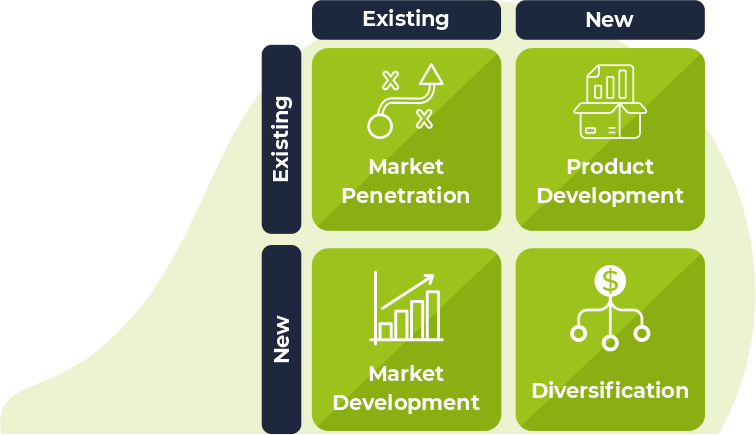
We help you with Growth strategies which are important because they keep your company working towards goals that go beyond what’s happening in the market today. They keep both leaders and employees focused and aligned, and they compel you to think long-term. Our common growth strategies in business include the following:
Market penetration
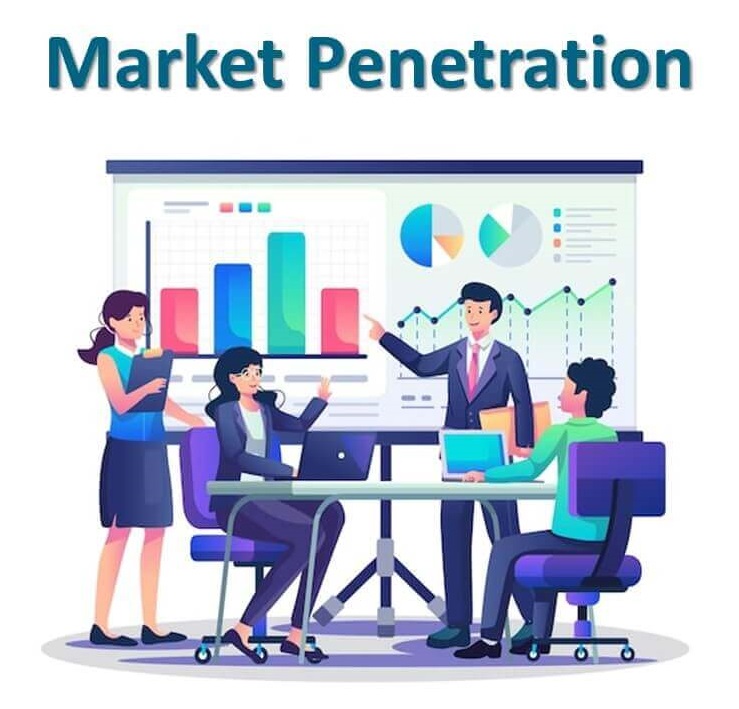
The aim of this strategy is to increase sales of existing products or services on existing markets, and thus to increase your market share. To do this, we can attract customers away from your competitors and/or make sure that your own customers buy your existing products or services more often. This can be accomplished by a price decrease, an increase in promotion and distribution support; the acquisition of a rival in the same market or modest product refinements.
Market development
This means increasing sales of existing products or services in previously unexplored markets. Market expansion involves an analysis of the way in which a company’s existing offer can be sold on new markets, or how to grow the existing market. This can be accomplished by different customer segments; industrial buyers for a good that was previously sold only to households; New areas or regions of the country; and Foreign markets.
Product development
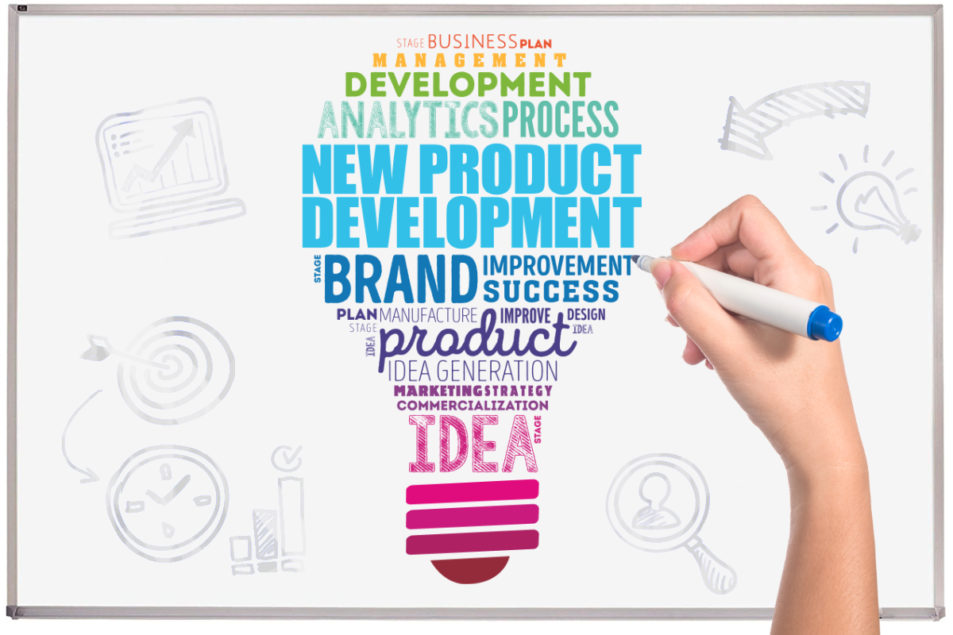
Our objective of this stage is to launch client’s new products or services in existing markets. Here, we help your company focus on developing and launching new products or services for your existing customer base. We involve innovation, research and development, and product diversification, branding. Our goal is to cater to your existing customer’s needs with new offerings.
Diversification
Here we help you with launching new products or services in previously unexplored markets. Diversification is the riskiest strategy. It involves the marketing, by the company, of completely new products and services in a completely unknown market. We help you with our expertise in the marketing strategies to avoid or decrease the risk.

Based on the company’s strategies used and its ambitions, your company can choose one of these four strategies. This choice especially depends on the approach of your company’s product/market and the latter’s taste for risk.
RISK MANAGEMENT
According to us, Risk management is the process of identifying, assessing, prioritizing, and mitigating risks to an organization or project in order to minimize potential negative impacts and maximize opportunities. It is a critical component of effective decision-making and strategic planning in various fields, including business, finance, healthcare, and project management. Here are the key elements and steps involved in our risk management:

Risk Identification
In this stage, we identify potential risks that could affect your organization or project. This involves brainstorming, conducting risk assessments, and reviewing historical data to identify both internal and external risks.
Risk Assessment
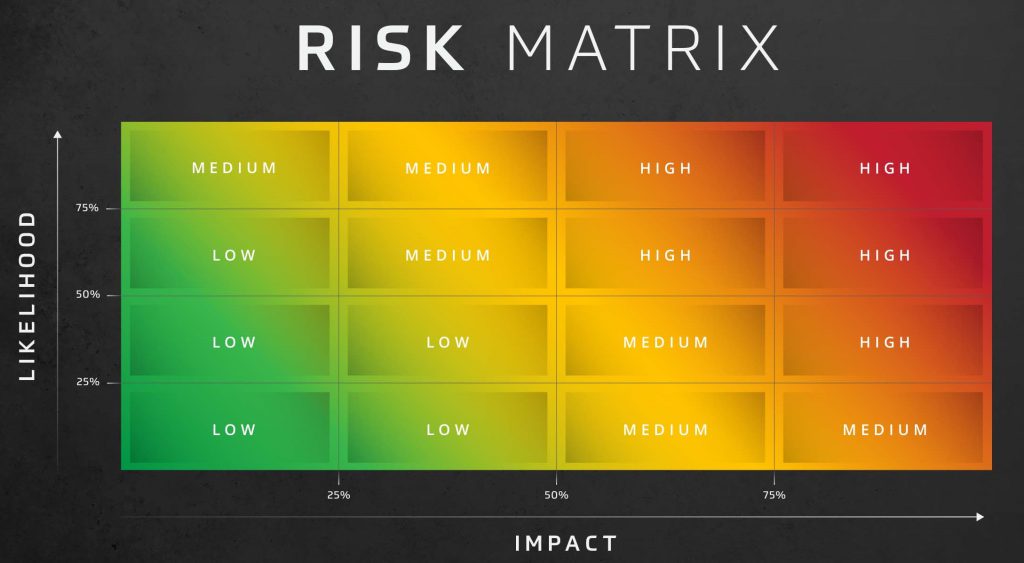
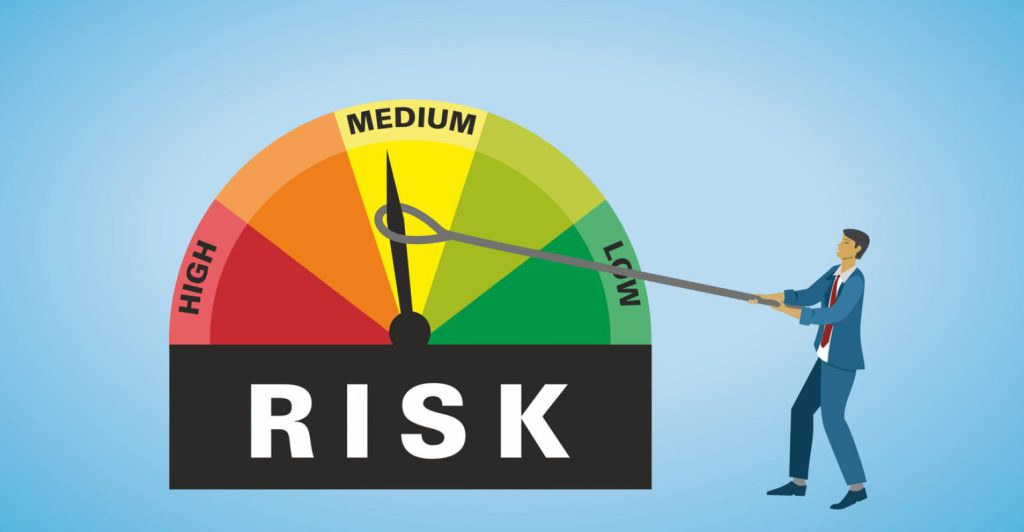
Once risks are identified, they need to be assessed in terms of their potential impact and likelihood of occurrence. We typically do this using risk assessment matrices or other quantitative and qualitative methods.
Risk Prioritization
After assessing risks, we often prioritize them based on their severity and likelihood. High-impact, high-probability risks are typically given the highest priority, as they pose the greatest threat.
Risk Mitigation
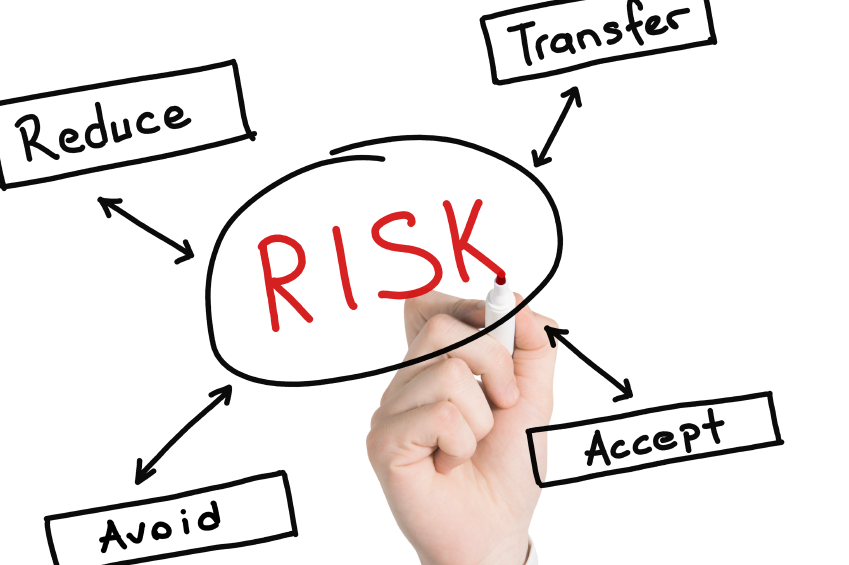
Risk mitigation involves developing and implementing strategies to reduce the likelihood and/or impact of identified risks. Common risk mitigation strategies include risk avoidance, risk reduction, risk sharing (such as insurance), and risk acceptance.
Risk Monitoring
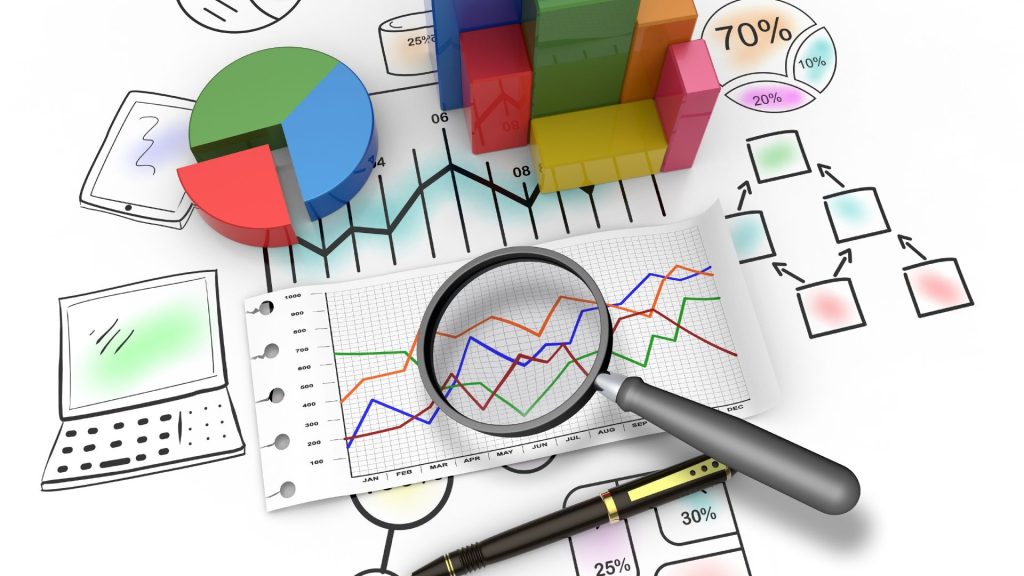
Once risks are identified and mitigation strategies are in place, we continuously monitor the risk landscape to ensure that risks are being managed effectively. This may involve ongoing assessments, regular reporting, and adjustments to mitigation strategies as needed.
IMPROVE PERFORMANCE
Improving a business’s performance requires a strategic and holistic approach that focuses on key areas such as setting and tracking Key Performance Indicators, improving operational efficiency, investing in employee development, building strong relationships with customers, and managing risk effectively. By improving business performance, you can increase customer visibility, build a more efficient sales pipeline, and increase collaboration in the organization.
Improving a business’s performance can be a complex task, but with our strategy and approach, it is achievable. We’ve outlined some of the key factors that can contribute to a business’ performance are explored below with some practical tips for improving in each area.
Setting and tracking key performance indicators (KPIs)
We set KPIs to measure the success of your business in achieving goals as well as increasing sales. Some or our common KPIs include revenue, profit margin, customer satisfaction, and employee retention. To improve business performance, it is essential to set meaningful KPIs and regularly track them as this allow us to identify areas for improvement and make data-driven decisions.
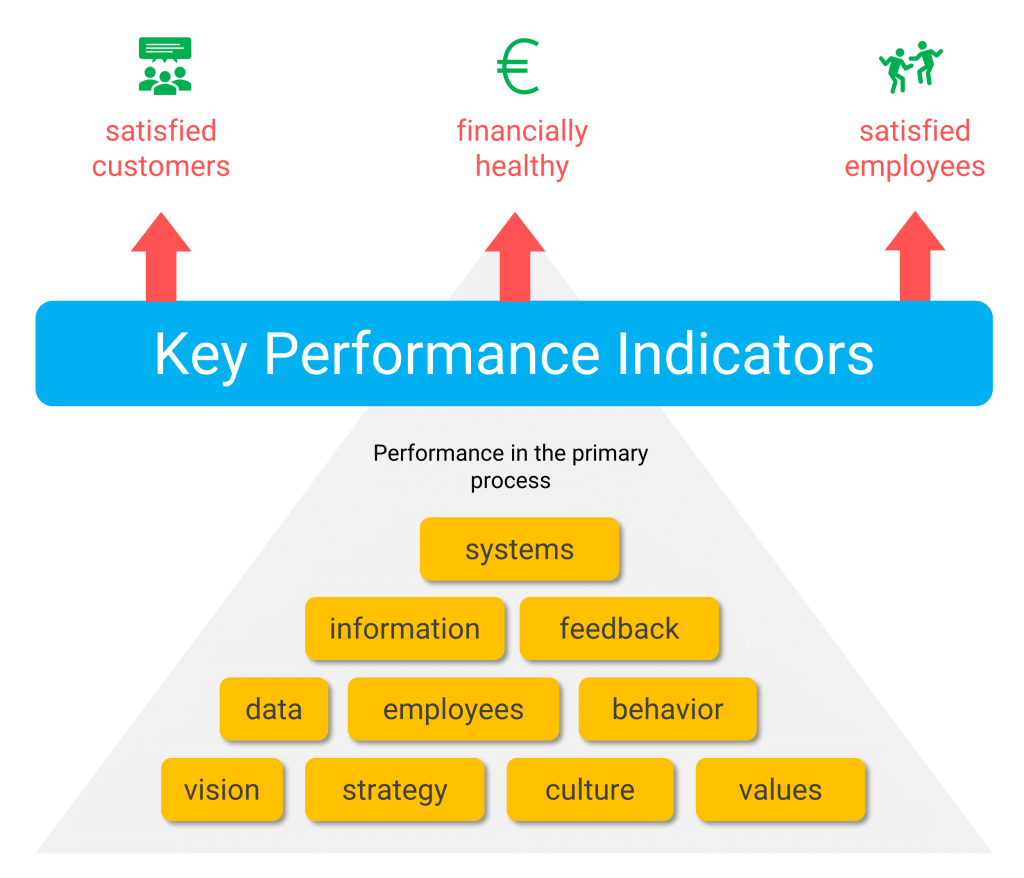

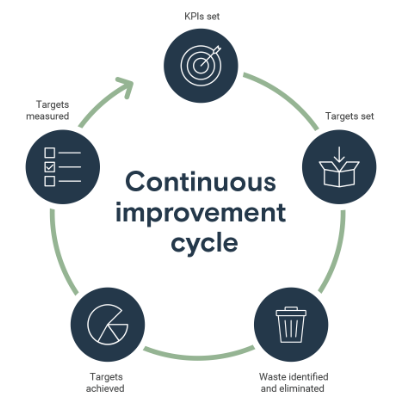
Target Set
By setting performance targets, we deliver you the strategic changes that your growing businesses need to make. The top-level objectives of our strategic plan can be implemented through departmental goals, and setting targets based on KPIs is an ideal way of doing this.
For example, a company seeking to expand on the basis of its product design capabilities might target year-on-year increases in the number of patents it secures, new product launches, or licensing income. The specifics will depend on which KPIs best capture the dynamics in the market.
Setting SMART targets: Your targets should be SMART – specific, measurable, achievable, realistic, and time-bound:
- Using KPIs ensures your targets will meet the first two criteria, as all KPIs should, by definition, be specific and measurable.
- Achievable- You need to set ambitious targets that will motivate and inspire your employees. Look back at your recent performance to get a sense of what is feasible.
- Realistic- setting realistic targets means being fair to the people who will have to reach them. Make sure you only ask for performance improvements in areas that your staff can actually influence.
- Time-bound- People’s progress towards a goal will be more rapid if they have a clear sense of the deadlines against which their progress will be assessed.
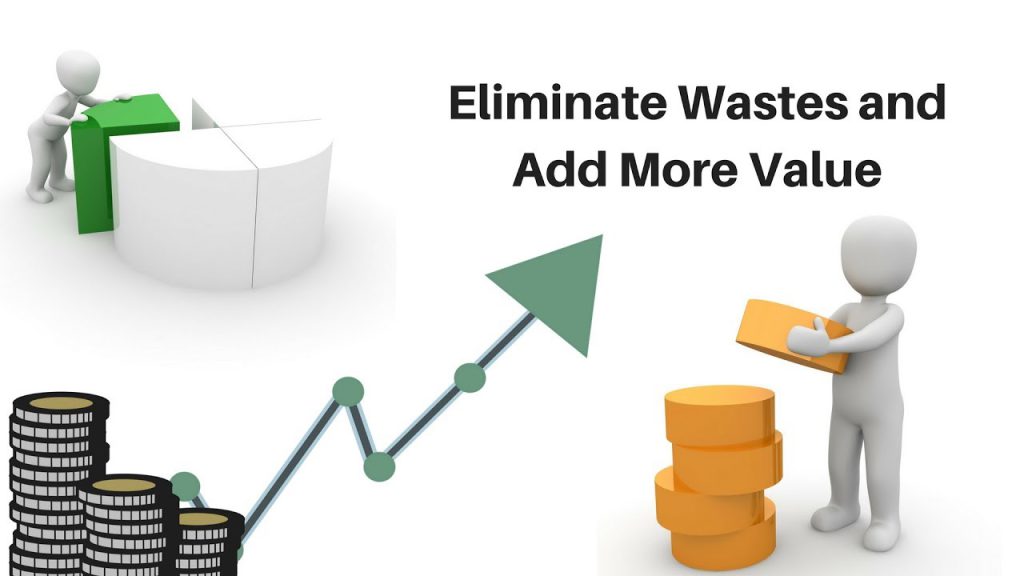
Waste Identified and eliminated
Eliminating waste means you should keep everything in its lowest-value state for as long as possible. Over-processing is when you make things better than what your customers need or what they’ll pay for. You’re adding cost without actually creating additional value.

Targets Achieved
Target achievement is a continuous process in business because Targets are short-term initiatives undertaken to accomplish company goals and measure their success rate. A SWOT analysis should be used to help an entity gain insight into its current and future position in the marketplace or against a stated goal. Organizations or individuals using this analysis can see competitive advantages, positive prospects as well as existing and potential problems.
A SWOT analysis guides you to identify your organization’s strengths and weaknesses (S-W), as well as broader opportunities and threats (O-T). Developing a fuller awareness of the situation helps with both strategic planning and decision-making for further improvement in performance.
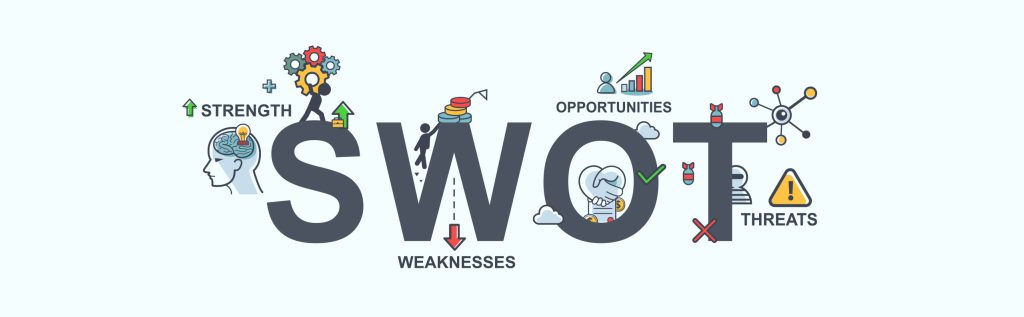
- Strengths: Strengths are things that your organization does particularly well, or in a way that distinguishes you from your competitors. Think about the advantages your organization has over other organizations. These might be the motivation of your staff, access to certain materials, or a strong set of manufacturing processes. Your strengths are an integral part of your organization, so think about what makes it “tick.” What do you do better than anyone else? What values drive your business? What unique or lowest-cost resources can you draw upon that others can’t? Identify and analyze your organization’s Unique Selling Proposition (USP), and add this to the Strengths section. Then turn your perspective around and ask yourself what your competitors might see as your strengths. What factors mean that you get the sale ahead of them?Remember, any aspect of your organization is only a strength if it brings you a clear advantage. For example, if all of your competitors provide high-quality products, then a high-quality production process is not a strength in your market: it’s a necessity.
- Weaknesses: Weaknesses, like strengths, are inherent features of your organization, so focus on your people, resources, systems, and procedures. Think about what you could improve, and the sorts of practices you should avoid.Once again, imagine (or find out) how other people in your market see you. Do they notice weaknesses that you tend to be blind to? Take time to examine how and why your competitors are doing better than you. What are you lacking?Be honest! A SWOT analysis will only be valuable if you gather all the information you need. So, it’s best to be realistic now and face any unpleasant truths as soon as possible.
- Opportunities: Opportunities are openings or chances for something positive to happen, but you’ll need to claim them for yourself!They usually arise from situations outside your organization, and require an eye to what might happen in the future. They might arise as developments in the market you serve, or in the technology you use. Being able to spot and exploit opportunities can make a huge difference to your organization’s ability to compete and take the lead in your market.Think about good opportunities that you can exploit immediately. These don’t need to be game-changers: even small advantages can increase your organization’s competitiveness. What interesting market trends are you aware of, large or small, which could have an impact?You should also watch out for changes in government policy related to your field. And changes in social patterns, population profiles, and lifestyles can all throw up interesting opportunities.
- Threats: Threats include anything that can negatively affect your business from the outside, such as supply-chain problems, shifts in market requirements, or a shortage of recruits. It’s vital to anticipate threats and to take action against them before you become a victim of them and your growth stalls.Think about the obstacles you face in getting your product to market and selling. You may notice that quality standards or specifications for your products are changing and that you’ll need to change those products if you’re to stay in the lead. Evolving technology is an ever-present threat, as well as an opportunity!Always consider what your competitors are doing, and whether you should be changing your organization’s emphasis to meet the challenge. But remember that what they’re doing might not be the right thing for you to do. So, avoid copying them without knowing how it will improve your position.Be sure to explore whether your organization is especially exposed to external challenges. Do you have bad debt or cash-flow problems, for example, that could make you vulnerable to even small changes in your market? This is the kind of threat that can seriously damage your business, so be alert.
Targets Measured
While setting Goals, measure achieved targets make a list of pending targets, and move back to set KPIs as per your target list. This is the continuous process of business improvement.
LEVERAGE TECHNOLOGY
Leveraging technology in business is all about using technology for the growth of your business. Undoubtedly, technology can take any business to sky-height in the modern-day market. Not only does it increase the efficiency of the business, but it also reduces the expenditure by a considerable margin and saves a lot of time.

Creativity
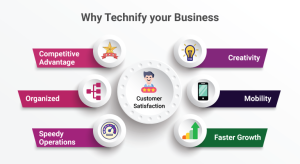
‘Technology is the enabler, creativity is the differentiator.’ By combining the two, businesses can achieve new levels of growth and success.By leveraging technology to drive efficiency, tapping into creative thinking to enhance customer experience, and differentiating themselves from competitors, businesses can stay ahead of the curve and drive sustained growth.Creative technology enables businesses across industries to stay ahead of the competition by unlocking unprecedented potential and creating tailored customer experiences.
Mobility
From a technological perspective, mobility is the use of mobile devices, including smartphones and tablets, as well as other technologies, to enable employees to work securely from anywhere. More than ever before, businesses need to empower their employees to work remotely. As a result, enterprise mobility is now a critical business tool. Enterprise mobility solutions facilitate a more competitive business, as the access, usage, and storage of data aren’t limited to the traditional office environment. Allowing employees to securely access essential data wherever they are, enterprise mobility also improves productivity, allows for real-time collaboration, and enhances cost management.To remain competitive and position themselves for future success, enterprise mobility solutions are important for businesses across all sectors.
Faster Growth
Technology is not just essential for the day-to-day running of your business but also can help to achieve growth and success when utilized effectively. With our tools, you can adapt to your changing business needs, provide a good level of customer service, minimize operational costs, and maximize revenues. Other benefits include:
- Improved Agility: Organisational agility is critical for business success. With the ability to respond rapidly to emerging trends and changing market conditions, you can outperform the competition and drive business growth.
- Informed Decision-Making: Companies with more effective data grow 35 percent faster year-over-year. With real-time access to accurate data, you can obtain valuable insights to fuel business decisions. This in turn will support your business growth allowing you to make continuous improvements based on your current business performance.
- Higher Returns: Many small businesses identified investment in new technologies as a key driver for business growth. By simplifying your business processes, modern solutions will free up time allowing you to focus on what matters most – growth and revenue generation.
- Increased Productivity: We help with Flexible and easier to use, new technologies that can reduce the cost and complexity of IT management, so your staff can focus on adding business value instead of routine tasks.
Speedy Operations
Technology can play an important role in creating lean and efficient processes. We can help you reduce or eliminate duplications and delays in the workflow, as well as speed up your business by automating specific tasks using Technology. Few examples where technology can help with improving efficiency in a business.

- Inventory management: If you hold and manage inventory in your retail store, warehouse, or manufacturing plant, you need to know which items you have, the quantity you have in stock, and how much they’re worth. An inventory management system can help you run an efficient warehouse by ensuring you have the right level of stock.
- Project management: If you have a project-based business, for example, a professional services firm, an HVAC or plumbing service company, a construction firm, or a make-to-order manufacturing operation, managing projects efficiently is critical for on-time and on-budget delivery. Project management software can help by building a work breakdown structure that organizes a large project into a list of tasks that need to be completed.
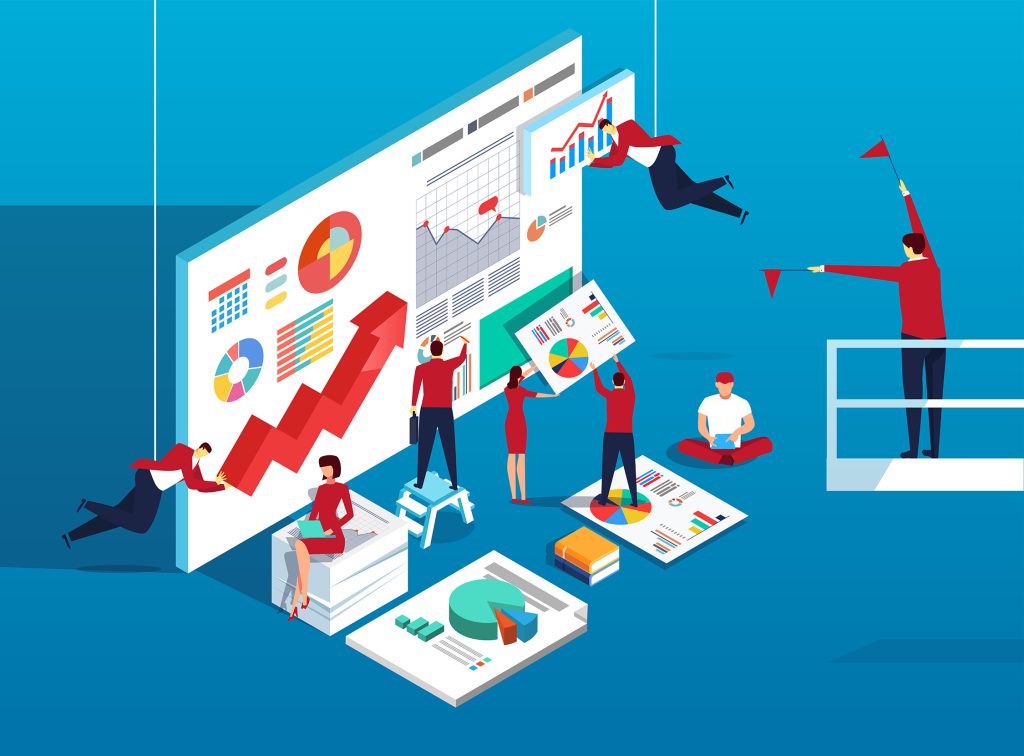
- Dashboard and metrics: To create efficiencies in your operations, you need to know how you are doing and be able to measure your performance against an established benchmark. Establishing appropriate Key Performance Indicators (KPIs) for the overall company and for each business function is the first step in this process. For example, you may want to track sales figures (actual and in variance from the benchmark) to give you an idea of the overall health of your business.
We have seen just three examples where technology can help with improving efficiency in a business. Likely, almost every business can benefit from investing in technology to improve its processes. It’s just about finding the right tool for the right job.

Organized
Technology helps businesses maintain data flow, manage contacts, track processes, and maintain employee records. Technology makes it possible for businesses to operate efficiently and effectively with minimal manpower and helps to reduce the cost of doing business. Technology helps business operations by keeping them connected to suppliers, customers, and their sales force. Because of its ability to streamline operating costs, technology delivers instant access to supplies and information, so businesses are better able to offer affordable pricing of goods and services without sacrificing quality.
Competitive Advantage
No matter the industry, technology has become a major investment for all businesses, leading to real outcomes when it comes to the development of service offerings and, ultimately, revenue growth. Technology becomes a competitive advantage when it’s harnessed to deliver the following four benefits:

- Real insight, real responsiveness: Identifying and resolving issues before they become major headaches has clear benefits, whatever your business. If your competitors can respond immediately and solve problems with ease, it could be a result of their software. Many business management systems offer access to business data in real-time, so it’s easier to spot issues – customer complaints, missed invoices, project delays – as soon as they arise. With this information, the business can create a strategy to resolve the issue promptly, rather than ignoring and exacerbating the problem.
- Competitive pricing, and accurate quoting: Business management software could be helping your competitors score points in this area. It can boost efficiency, lowering price points for services overall. Sophisticated reporting functions can help make project costing more accurate, meaning fewer cost overruns – and fewer disgruntled customers.
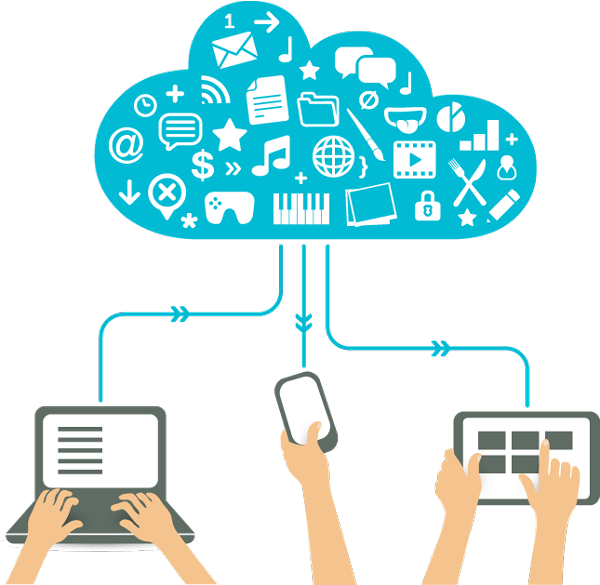
- Work anywhere, anytime: Work no longer begins and ends at the office. Working remotely is far more common and site visits, business travel, international clients and other factors mean that work often needs to be completed outside office hours and away from the physical office. This is where cloud business software comes into its own. It allows you and your staff to access work programs and up-to-date business data on any device, from anywhere.
- Online access and improved service: Features like online customer portals can make it easier for our clients to do things like check the progress of a project, pay an invoice, or request a new service. As more businesses use technology to automate services, expectations will rise – and if you can’t provide the same level of service, you could struggle to retain customers.

Customer Satisfaction
Customer satisfaction is a metric that assesses how happy a customer is with a product or service. Technology, believe it or not, plays a significant role in this. We use the correct skills to make our clients experience more pleasant and engaging. With the advancement of technology, excessive wait times and delayed replies are no longer acceptable and may harm sales.
Companies can use software and communication solutions to respond to immediate client demands and demonstrate that they can be trusted. Technology can assist companies in gaining customer trust and loyalty by providing our services that are more immediate and personalized.