



RISK IDENTIFICATION AND ASSESSMENT
Risk identification and assessment are critical processes in risk management that helps you identify, analyze, and prioritize potential risks that could impact your company’s operations, projects, or goals. These processes are essential for making informed decisions, allocating resources effectively, and developing strategies to mitigate or manage risks.
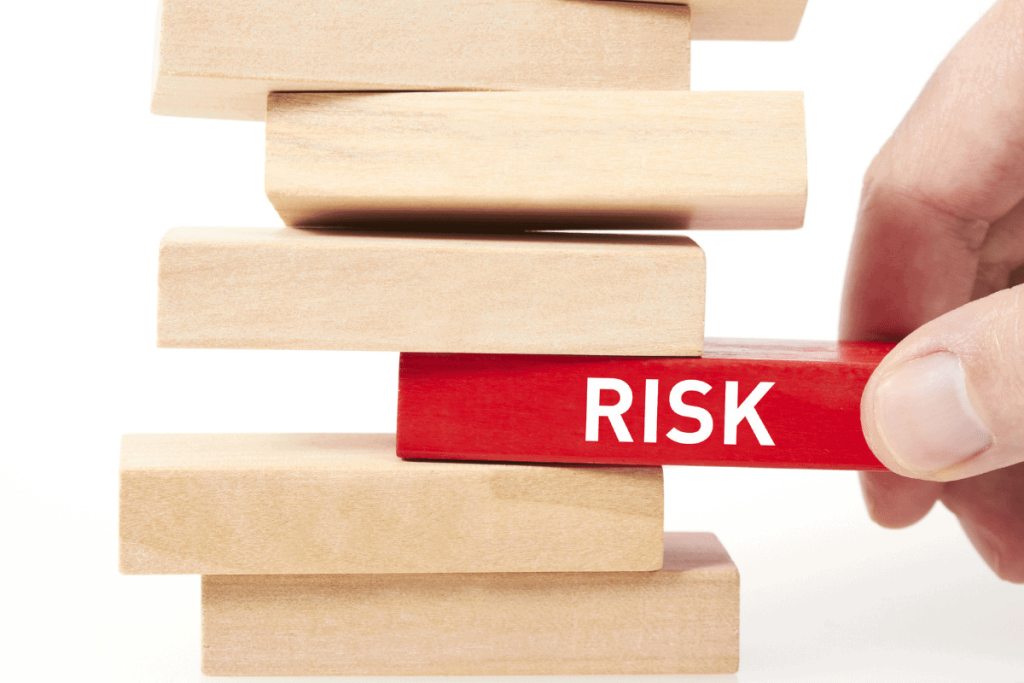
Here’s an overview of our risk identification and assessment service:
- Risk Identification:
- Brainstorming: We gather a diverse group of stakeholders, experts, or team members to identify your potential risks. We encourage open and free-flowing discussions to uncover a wide range of risks.
- Use Historical Data: We review past incidents, projects, or operations to identify recurring patterns or issues that could pose risks in the future.
- Checklists and Templates: We utilize checklists, templates, or industry-specific guidelines to systematically identify common risks relevant to your organization or project.
- SWOT Analysis: We perform a SWOT (Strengths, Weaknesses, Opportunities, and Threats) analysis to identify internal and external factors that could lead to risks.
- Documentation Review: We analyse relevant documents, such as contracts, regulations, policies, and project plans, to identify potential risks.
- Expert Input: We provide expert insights into specific risks.
- Scenario Analysis: We develop scenarios that describe potential future events and their consequences to identify associated risks.
- Feedback Mechanisms: We establish feedback mechanisms within the organization to continuously collect information about emerging risks.
- Risk Assessment:
- Risk Analysis: After identifying potential risks, we assess their impact and likelihood. This can be done quantitatively or qualitatively, depending on the nature of the risk and available data.
- Risk Matrix: We create a risk matrix or heat map to visualize and prioritize risks based on their severity and probability.
- Risk Ranking: We assign a numerical score or ranking to each risk to facilitate prioritization. We consider using criteria like potential impact, likelihood, and time sensitivity.
- Risk Mitigation Strategies: We identify and evaluate potential strategies to mitigate or manage each risk. These may include risk avoidance, risk reduction, risk transfer, or risk acceptance.
- Cost-Benefit Analysis: We assess the cost of implementing risk mitigation measures against the potential benefits and make informed decisions on risk treatment options.
- Risk Register: We maintain a comprehensive risk register that documents all identified risks, their assessment, and planned actions.
- Communication and Monitoring:
- Reporting: We communicate the results of the risk assessment to relevant stakeholders, including senior management and project teams.
- Continuous Monitoring: We regularly review and update the risk assessment as new information becomes available or as the project or organizational context changes.
- Contingency Planning: We develop contingency plans for high-priority risks, outlining specific actions to be taken if these risks materialize.
- Risk Culture: We foster a risk-aware culture within the organization, where employees are encouraged to report and discuss risks openly.
- Feedback Loop: We establish a feedback loop to learn from past risk management experiences and continuously improve the risk identification and assessment processes.